
Infrastructure
for living
systems.
PlantWay helps living things move, survive and thrive. We build the standards, intelligence, packaging and transport systems that reduce damage, waste and environmental impact across horticulture — from nursery stock and edible crops to trees, seed collections and restoration projects.
Not a courier. Not a marketplace. The infrastructure layer for living systems movement.

Move living systems better.
To make the movement of living systems safer, more intelligent and more sustainable. Most logistics is built for standard freight. PlantWay is built for cargo that is alive — where airflow, temperature, dwell time and freshness windows are part of the system itself.
Plants. Trees. Vegetables. Nursery stock. Seed and botanical collections. Conservation and restoration projects. Edible crops. The first category is horticulture. The shape is bigger.
A living-goods layer for your WMS.
Warehouse systems are built for parcels. PlantWay adds the layer that parcels do not need — handling profiles, freshness windows, journey scoring and reusable transit assets for cargo that is alive.
- 01
Living-goods data layer
Journey Score plugs into any WMS as a quality signal for cargo that is alive — temperature exposure, dwell, vibration, handover condition.
- 02
Nursery & grower SKUs
Pot-locked, single-tier, climate-sensitive lines that standard pick/pack flows damage. PlantWay defines the handling profile per SKU.
- 03
Reusable transit assets
Transit Cell and Transit Crate as tracked, returnable units inside the WMS — not consumable packaging.
- 04
Field-recorded standards
Best-practice handling rules drawn from real dispatch records, not theory. Built alongside ongoing RHS study.
Five layers of infrastructure.
- 01
Transit
Specialist movement of plants, nursery stock and horticultural materials. Climate-sensitive, plant-trained, single-tier where it matters.
- 02
Protection
Transit cells, reusable crates and plant protection systems built to reduce stem damage, soil loss and movement stress in transport.
- 03
Intelligence
Observation and measurement of what actually happens between dispatch and arrival — temperature, dwell, vibration, handover condition.
- 04
Standards
Best-practice guidance for growers, nurseries and transport providers on how living goods should be handled in motion.
- 05
Knowledge
RHS-grade learning resources for growers and horticultural professionals — written alongside the work, not separate to it.
The infrastructure, in pieces.
A physical product line, a software layer and a research archive — all aimed at one thing: making the movement of living systems safer, more intelligent and more sustainable.
- 01· Product · in development
PlantWay Transit Cell
A universal pot-lock system designed to reduce movement, stem damage and soil loss during courier transport.
- 02· Product · in development
PlantWay Transit Crate
A reusable shipping system for nurseries and commercial growers — built around plants, not parcels.
- 03· Software · in development
PlantWay Journey Score
A quality score for living-goods transport — measuring temperature exposure, movement, transit time and delivery condition.
- 04· Research · live
PlantWay Observatory
Building toward the UK's largest collection of real-world plant transport observations.
Move plants better.
Move living systems better.
Become the intelligence layer behind how horticulture moves through the world.
Notes from the field.
Calm operational observations from live work across greenhouses, nurseries, edible systems and regional routes.
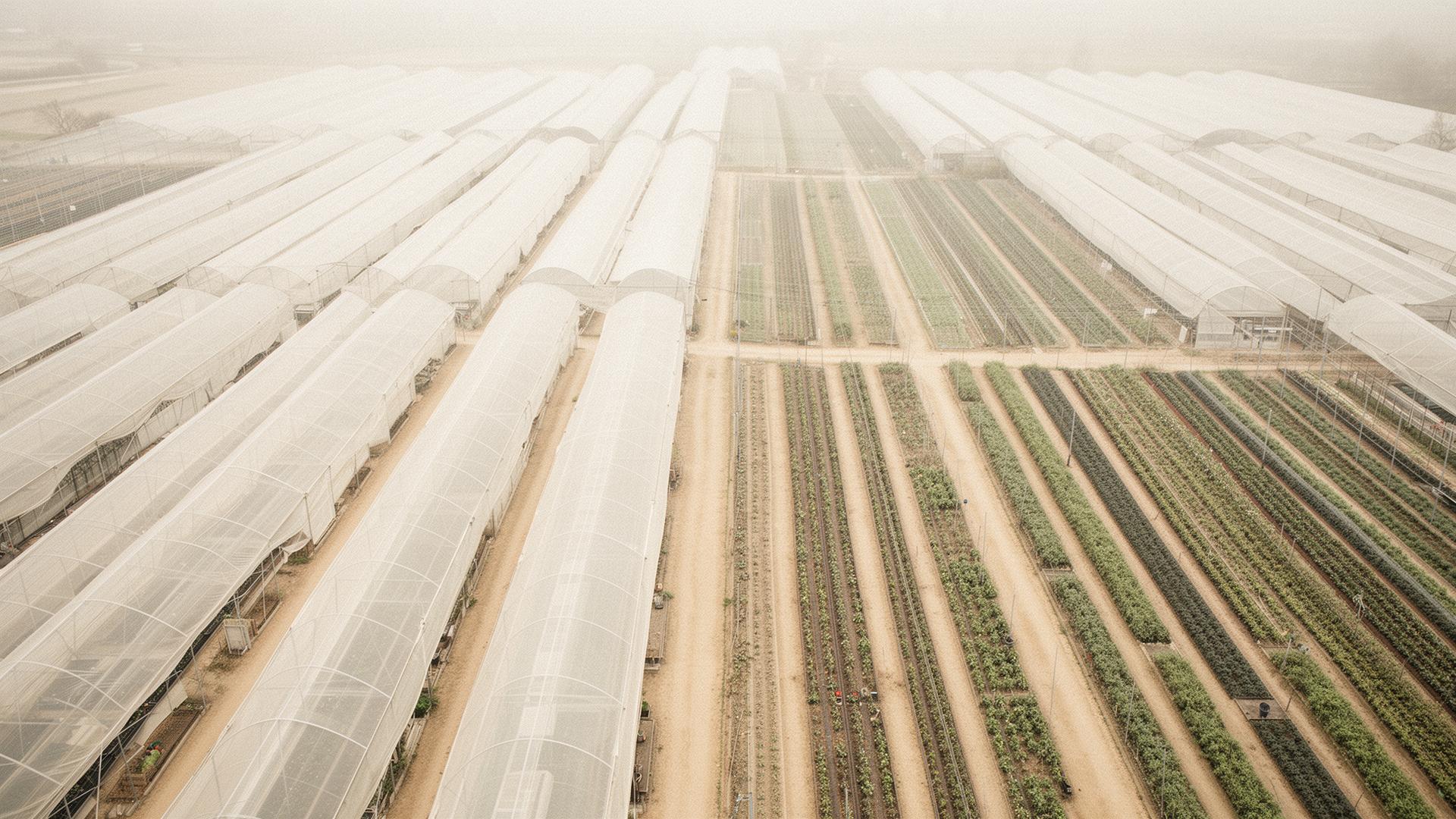
Greenhouse observation
High afternoon dwell temperatures increased visible leaf stress during unloading. Loading windows revised to early morning for protected herb work.
Regional edible movement
Short-duration movement windows reduce refrigeration pressure and preserve freshness across edible flower and micro-herb corridors.
Nursery access study
Smaller EV systems may suit constrained nursery environments more effectively than larger rigid vehicles. Turning arc and shaded dwell observed across three intake bays.
Environmental observation
Loading conditions are often as operationally important as transport itself for living goods. Pre-load humidity, airflow and crate spacing decide arrival condition.
Mixed-fleet reality
EV held to urban and greenhouse circuits; diesel partner retained for long legs where charging infrastructure remains uneven between regions.
Aerial visibility
Greenhouse venting pattern and surrounding hedgerow read as a single microclimate from above — bottlenecks visible only at altitude.
How long is it viable?
Hospitality-viable hours from dispatch, derived from observed North West movements. Envelopes, not guarantees.
Envelopes derived from live handovers and route records. Baseline = ≤18°C, single-tier, morning dispatch, shaded handover. Held open and revised as the archive grows.
For the growers.
A quiet operational tool for protected-crop growers, nurseries and edible specialists. Log intake on a phone. Generate a branded dispatch record with freshness windows derived from your own data. Free to start.
Operational horticulture journal.
Working papers on operational growing systems, edible infrastructure and climate-sensitive movement. Written alongside the work, not separate to it.
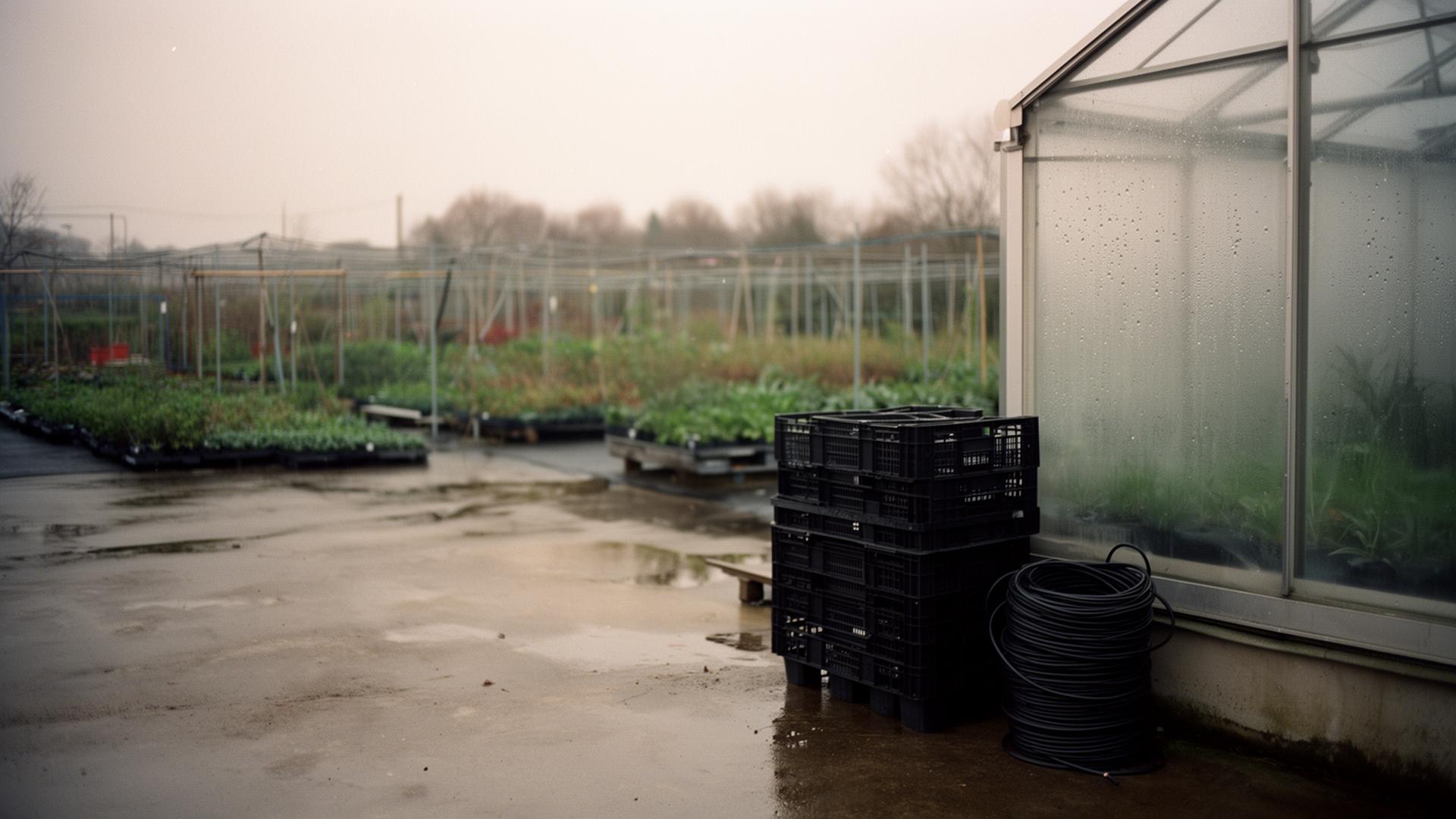
- Paper 01Operational growing
Airflow, humidity and transport stress in protected crops.
Greenhouse airflow, humidity bands and loading conditions read as physiological variables — observed against ongoing RHS Level 2 material on plant stress and protected cropping.
- Paper 02Edible infrastructure
Freshness-window routing for edible systems.
Route duration, vehicle airflow, unloading priority and handover timing read as physiological variables for edible living goods — corridor-by-corridor cut-offs derived from observed movements.
- Paper 03Organic agriculture
Regional food systems and movement quality.
Short-duration, low-emission regional movement read against organic systems thinking — soil health, seasonal availability and the operational layer beneath food resilience.
- Paper 04Environmental observation
Climate, biodiversity and edible landscapes.
Hedgerows, pollinator corridors and edible plots read as part of the operational picture rather than the background — climate, urban cooling and food resilience as one connected system.
- Paper 05Greenhouse systems
Nursery layouts, intake environments and protected cropping.
How protected crop houses are arranged, ventilated and loaded — and how those decisions move downstream into freshness behaviour at the receiving end.
Get in touch.
What, where, when. Same-day reply.